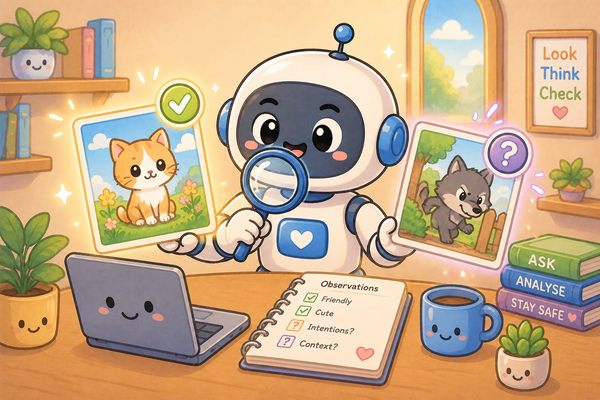
AI Series Part 2: How to spot AI-generated content β and why it matters that you can
This is the second in our plain-English series about artificial intelligence. You can read Part 1 β What AI actually is β at news.atozofcyber.co.uk
Plain English. No jargon. Just what you need to know.
This is the second in our plain-English series about artificial intelligence. You can read Part 1 β What AI actually is β at news.atozofcyber.co.uk
This is the first in a new series of articles about artificial intelligence β what it is, how it works, what it can and cannot do, and how to use it without accidentally giving away more than you intended. No technical knowledge required.
Every year the government asks thousands of UK businesses, charities, schools, and universities a simple but important question: has your organisation been hit by a cyber attack in the past twelve months?
After passwords, phishing, and two-factor authentication, thereβs a natural question: Is there a better way to do all of this?
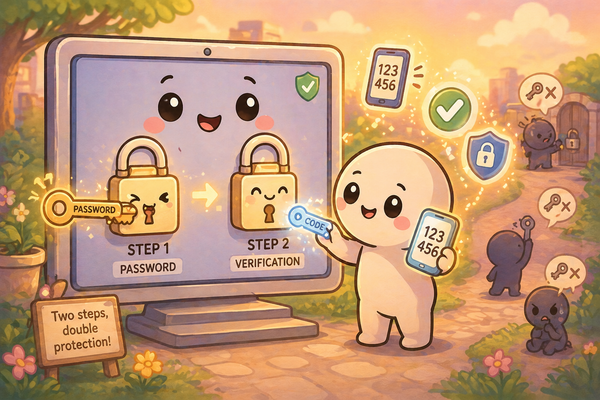
Two-factor authentication adds an extra step when you log in β but that step can stop most account takeovers. Hereβs how it works and why it matters.
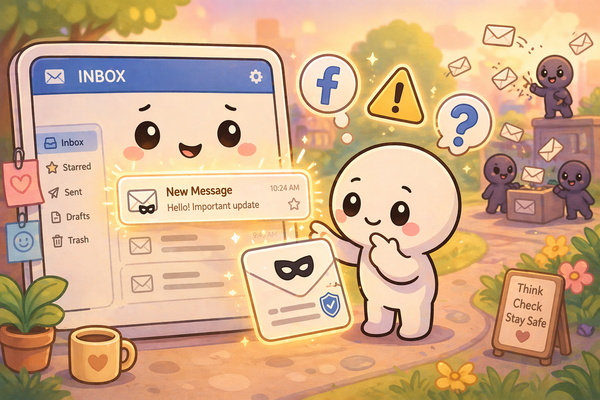
Phishing is one of the most common ways accounts get compromised β not by hacking systems, but by convincing people. Hereβs how it works, and how to spot it.
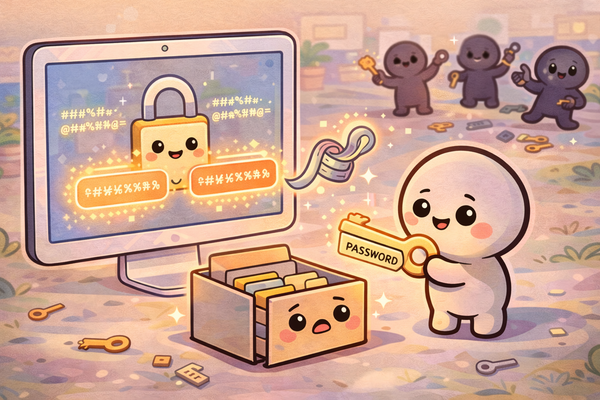
What passwords really are, how they work behind the scenes, and simple ways to make yours stronger β plus what might replace them.
A data breach happens when information that was supposed to be private is accessed by someone who was not supposed to have it. It can happen because of a hack, a supply chain attack, a human error, or sometimes just a misconfigured system that leaves a door open without anyone noticing.
Each time, the mechanism has been the same: attackers find a way into a trusted update system, swap the legitimate contents for something malicious, and let the trust do the rest.
On Tuesday we covered how Anthropic accidentally leaked the source code of Claude Code, and how criminals immediately used that leak as a lure to spread malware. But that story