This is the final part of our plain-English series on fraud. The full series is at news.atozofcyber.co.uk
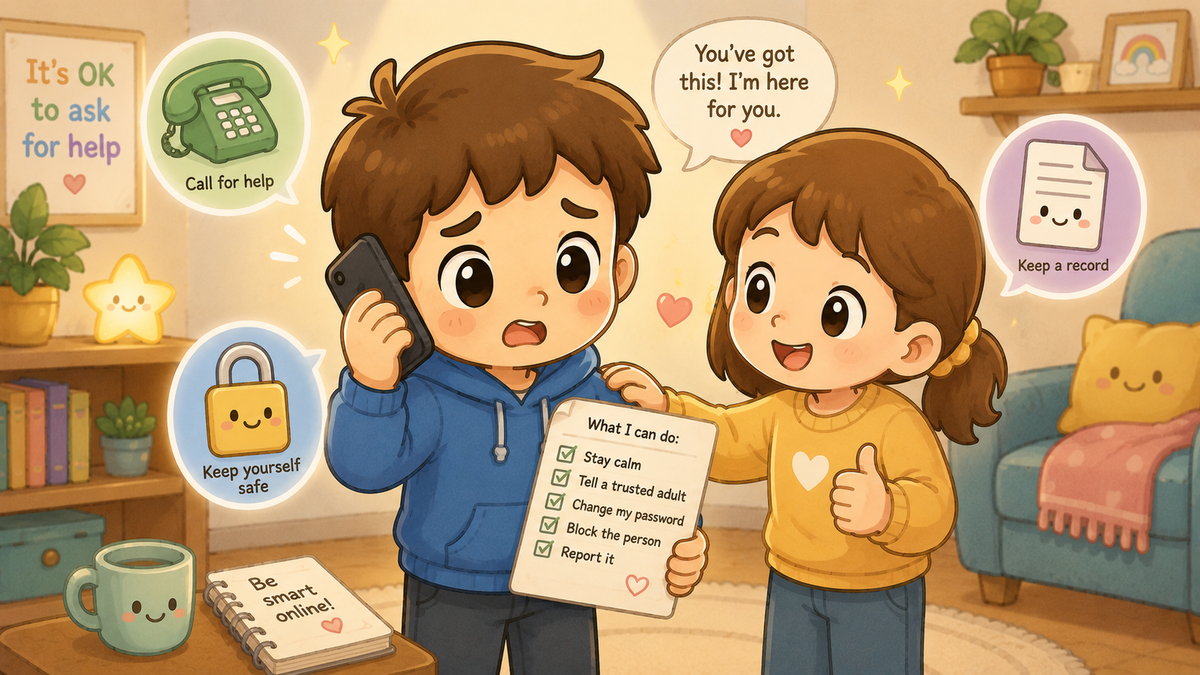
The moment you realise you have been scammed is one of the worst feelings there is. The combination of financial loss, violated trust, and — for many people — intense shame can make it very difficult to act quickly. But the next few hours are the most important of the entire experience. The faster you move, the better your chances of recovering money, protecting your accounts, and preventing further harm.
This article is a practical guide. Step by step. No judgement.
First: stop and breathe
This is not a platitude. Scammers sometimes create a secondary scam around the recovery process — people who have just been scammed are targeted by fake "recovery services" claiming to be able to get their money back for a fee. They are not legitimate. No legitimate organisation charges a fee to recover scammed money.
Before you do anything else, take a breath. The steps below are the right ones. Do not deviate from them because someone calling themselves a fraud recovery specialist has contacted you.
Step 1: Contact your bank immediately
This is the most time-critical step. Call the number on the back of your bank card, or dial 159 — the Stop Scams UK number that connects directly to most major UK banks' fraud teams, including Barclays, HSBC, Lloyds, NatWest, and Santander.
Tell them you have been the victim of fraud and describe what happened. Ask them to:
- Freeze any transfers that have not yet cleared
- Block your card if your card details were compromised
- Begin a fraud investigation and give you a reference number
- Advise you on reimbursement
Your reimbursement rights: since October 2024, the Payment Systems Regulator requires banks to reimburse victims of Authorised Push Payment fraud — where you were tricked into transferring money — up to £85,000, within five business days of making your claim. This applies to payments made on or after 7 October 2024 from personal accounts, micro-enterprises, and charities. Your bank cannot refuse the claim unless they can demonstrate you showed gross negligence — the standard is deliberately high to protect victims.
If you paid by credit card, you may have additional protection under Section 75 of the Consumer Credit Act for purchases between £100 and £30,000.
If you paid by gift card, cryptocurrency, or international bank transfer, recovery is significantly harder — these payment methods are specifically used by scammers because they are difficult to reverse. Contact your bank anyway. Some banks have relationships with other institutions that occasionally allow partial recovery.
Step 2: Change your passwords and secure your accounts
If you entered any passwords or login details on a fake website, change those passwords immediately — starting with your email account and your online banking. If you use the same password anywhere else, change it there too.
If the scam involved you installing any software on your device — a "remote access tool" to let the caller fix a problem, or an app they directed you to download — do not use that device for banking or sensitive accounts until it has been checked by a professional or fully reset to factory settings. Remote access tools allow criminals to see everything on your screen and access your accounts even after the call has ended.
Enable two-factor authentication on your email and banking accounts if it is not already on.
Step 3: Report to Report Fraud
Action Fraud was replaced by Report Fraud in December 2025. You can report at reportfraud.police.uk or by calling 0300 123 2040, available 24 hours a day.
You will receive a crime reference number. Your bank may ask for this as part of their investigation. Keep it.
Reporting does not guarantee an investigation or recovery. The honest truth is that most fraud is committed by criminals operating overseas, making prosecution difficult. But reporting matters for two reasons: it builds the national intelligence picture that helps law enforcement disrupt fraud networks, and it is a required step for some reimbursement claims and insurance purposes.
If the fraud involved an investment scheme, also report to the Financial Conduct Authority at reportscam.fca.org.uk. If it involved an online marketplace, report to the platform directly as well.
Step 4: Protect yourself from further harm
A scam victim's details often circulate on criminal databases — the fact that you were susceptible to one approach may make you a target for another. In the weeks after a scam, be especially alert to:
Recovery scams. Criminals sometimes contact recent fraud victims posing as fraud investigators, police officers, or recovery services, claiming to be able to recover lost money for a fee. They are not legitimate. Dial 159 or call your bank on the number on your card if you are unsure.
Follow-on phishing. Your contact details, and potentially more information about you, may now be in criminal hands. Be more cautious than usual about unsolicited contact in the weeks after a scam.
Credit checks. If your personal details — name, address, date of birth, national insurance number — were shared with the scammer, place a protective registration on your credit file with the major credit reference agencies (Experian, Equifax, TransUnion). This adds a layer of verification before new credit can be opened in your name.
Step 5: Get support
The financial harm of fraud is often the headline. The emotional harm is equally real and equally worth taking seriously.
Research published in 2025 found that fraud victims experience rates of depression, anxiety, shame, and in some cases post-traumatic stress comparable to victims of violent crime. The shame in particular — the sense that you should have known better — is both common and understandable, and it is one of the things that stops people from seeking help.
You do not have to deal with this alone. These organisations exist specifically for fraud victims:
- Victim Support — free, confidential support for victims of crime including fraud — victimsupport.org.uk
- Think Jessica — emotional and practical support specifically for scam victims — thinkjessica.com
- Citizens Advice — practical advice on next steps — citizensadvice.org.uk or 0800 144 8848
- Age UK — specific support for older victims — ageuk.org.uk or 0800 678 1602
If you are supporting someone who has been scammed — a parent, a partner, a friend — the most important thing you can offer is patience and the absence of blame. They know they made a mistake. What they need is support, not analysis.
If it almost happened
If you caught yourself in time — you realised partway through that something was wrong and stopped — that is worth reflecting on too. What was it that made you pause? That moment of recognition is valuable. Talking about it — with family, with friends, on the community forums at atozofcyber.co.uk — makes other people safer.
The more openly we talk about scams, the less effective they become. Stigma serves criminals. Openness does not.
What does this mean for me?
Save 159 now — before you need it.
Know your rights — APP fraud victims are entitled to reimbursement up to £85,000 from October 2024 onwards. Your bank cannot simply refuse.
Report even if you did not lose money — reportfraud.police.uk.
Get support if you need it — the emotional harm is real and support is available.
Talk about it — to your family, your friends, anyone who might benefit from knowing what you know now.
🧠 The Human Factor
| Technology involved | Bank transfer systems, credit card payment networks, remote access tools, fake recovery services — all used at the point when a victim has already been compromised and is most vulnerable |
| Root cause | The hours after a scam are a second window of vulnerability — shock, shame, and urgency create the conditions for recovery scams and further harm unless the victim knows what steps to take |
| What was at risk | Further financial loss through recovery scams; unrecovered money through delayed reporting; ongoing account compromise through unremoved remote access tools; untreated emotional harm |
| Prevention | Know the steps before you need them: 159, reportfraud.police.uk, change passwords, check for remote access software, seek emotional support |
This concludes the Don't Get Scammed series. If it has been useful, please share it with the people in your life who might benefit — particularly older relatives and anyone going through a difficult period.
The next series on atozofcyber.co.uk will be Your Digital Footprint — what the internet knows about you and how to take back control.
References and sources
- Payment Systems Regulator: APP fraud reimbursement rules (from 7 October 2024) — psr.org.uk
- Report Fraud (replaced Action Fraud December 2025) — reportfraud.police.uk or 0300 123 2040
- Stop Scams UK — dial 159 — stopscamsuk.org.uk
- FCA: Report a scam — reportscam.fca.org.uk
- Victim Support — victimsupport.org.uk
- Think Jessica — thinkjessica.com
- Citizens Advice consumer helpline — 0800 144 8848
- Age UK: support for scam victims — ageuk.org.uk
- NIH/PMC: The Mental Health Impacts of Internet Scams (2025)