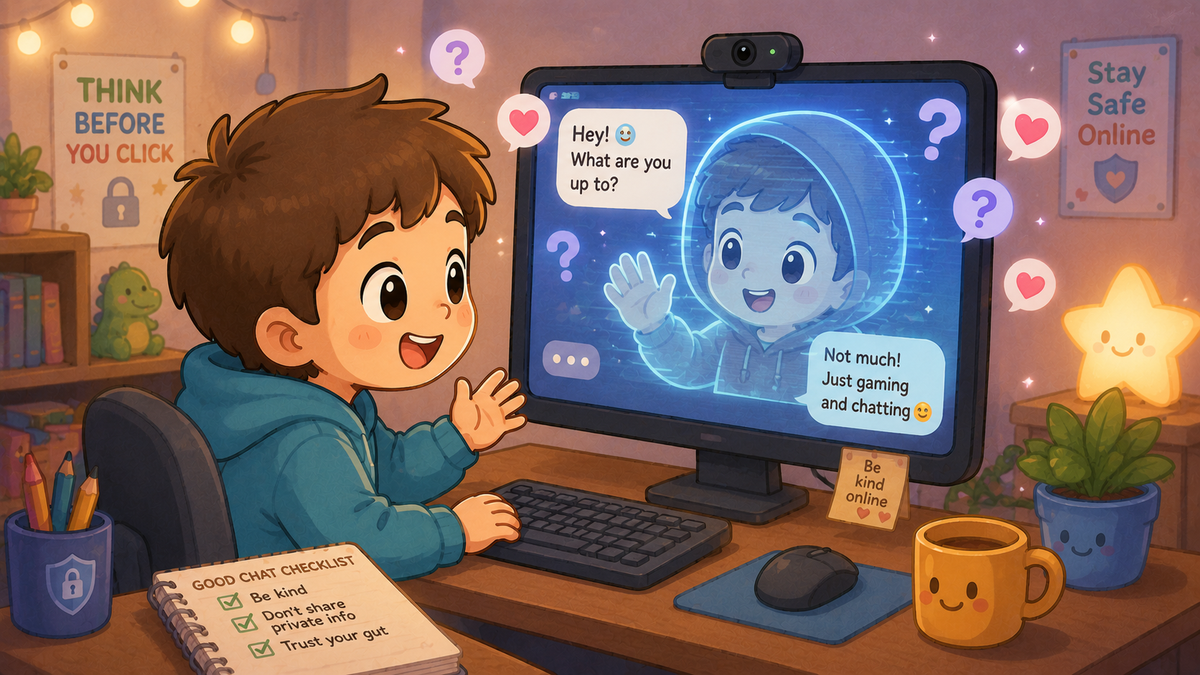
Part 3 of our plain-English series on fraud. Parts 1 and 2 are at news.atozofcyber.co.uk
A note before we begin: this article covers a type of fraud that causes significant emotional harm alongside financial loss. If you or someone you know has experienced romance fraud, support is available from Victim Support (victimsupport.org.uk) and Think Jessica (thinkjessica.com). Being targeted by this type of fraud is not a reflection of your character or your judgment. These are professional operations run by organised criminal enterprises.
In 2025, romance fraud cost UK victims £102 million. That is roughly £280,000 every day. The average victim loses £9,500 — but individual cases have reached £1 million. Almost half of all losses came from people aged 55 to 74.
These are not impulsive decisions made in moments of weakness. They are the result of weeks or months of carefully constructed relationships, built by professional criminals whose sole job is to make you trust them. Understanding how they work is not about blame. It is about recognition.
So what actually is romance fraud?
Romance fraud — sometimes called confidence fraud — happens when a criminal creates a fake identity and builds a relationship with someone over time, with the intention of eventually requesting money. The relationship feels entirely real to the victim, because the criminal has invested significant effort in making it so.
The most sophisticated form of this fraud is sometimes called romance baiting or, in criminal industry terms, "pig butchering" — a phrase we will avoid for the reasons Interpol has recommended against it: it stigmatises victims. The approach blends romance fraud with investment fraud, persuading the victim not only to trust the criminal emotionally but to follow their guidance on financial decisions, usually cryptocurrency investments on fake platforms.
These operations are not run by lone individuals. Many are run by organised criminal enterprises employing hundreds of people in offshore locations, some of whom are themselves victims of trafficking and forced to work in fraud compounds. The UNODC estimated that at least 120,000 people were held in scam compounds in Myanmar alone as of 2023, forced to run romance and investment fraud operations at scale.
How it works, step by step
The approach. Contact is typically made on dating apps, social media platforms, or increasingly through WhatsApp messages sent to numbers slightly different from real ones — "wrong number" openers that then develop into warm conversations. The fake profile is carefully constructed: an attractive photograph (often AI-generated or stolen from a real person's social media), a compelling backstory, a profession that explains why they cannot meet in person — military deployment, offshore oil platforms, working abroad.
The build. Over weeks — sometimes months — the criminal builds genuine rapport. They remember details you mentioned in passing. They ask thoughtful questions. They share carefully crafted personal stories that create emotional intimacy. They are consistent, attentive, and warm in a way that real relationships sometimes are not. Victims frequently describe this period as the best relationship they have ever had.
The barrier to meeting. Every attempt to meet in person is blocked by a plausible excuse. The video call is always low-quality, brief, or cancelled. There is always a reason — the platform has poor video, they are in a restricted location, the connection is bad. In more sophisticated operations, AI-generated deepfake video is used to conduct brief convincing video calls.
The first ask. Weeks or months in, the first financial request arrives. It is usually small, framed as an embarrassing necessity — a bank transfer problem that has frozen their accounts temporarily, a customs fee on a package they are sending. The amount is trivial relative to the emotional investment the victim has made. Most people pay it without hesitation.
The escalation. Once the first payment has been made, the asks increase. Medical emergencies. Travel costs to finally come and visit. Business problems. Investment opportunities. Each payment is framed within the emotional context of the relationship — the criminal knows what levers to pull because they have spent months learning them.
The investment variant. In the most financially devastating form of this fraud, the criminal eventually steers the conversation toward an investment opportunity — usually cryptocurrency on a platform they recommend. The victim sees convincing fake returns on a convincing fake dashboard. They invest more. They may even encourage friends and family to invest. When they eventually try to withdraw, they are told there are taxes or fees to pay first. The fees are as fake as the returns. The platform disappears.
Why it works on everyone
The research is clear: romance fraud victims are not a particular type of person. They are disproportionately — but not exclusively — older, recently bereaved, recently divorced, or going through a period of loneliness. These are circumstances, not character traits.
The psychological mechanisms at work are identical to those in genuine relationships. Trust built over time is real trust, even when it was built on a false foundation. The emotional investment made during the relationship is real emotional investment. The shame felt afterwards — "how did I not see it?" — is one of the most harmful consequences of the fraud and one of the most understandable.
City of London Police have been explicit on this: "Romance fraud is particularly harmful because it targets trust and emotional connection. The emotional impact is often just as damaging as the monetary loss."
The mental health consequences are significant and documented. Research published in 2025 found that romance fraud victims experience rates of depression, anxiety, and post-traumatic stress comparable to victims of violent crime. Many do not report the fraud because of shame, and many do not seek support for the same reason. Both of those silences serve the criminals.
The warning signs
None of these are definitive on their own. But in combination, they are worth paying attention to.
Someone you have only ever met online who has never been able to meet in person, no matter how many times you have discussed it. Video calls that are always brief, low quality, or cancelled. A backstory that involves a profession keeping them overseas — military, medicine, engineering, offshore work. Intense emotional intimacy that developed faster than most in-person relationships would. Financial requests, however small, framed as temporary embarrassments. Investment opportunities, particularly in cryptocurrency, introduced after a relationship has been established.
And the investment variant has one additional tell that is worth knowing: the platform will always show you profits. The dashboard is designed to be convincing. The returns are always good. The moment you try to withdraw is the moment the platform develops a problem requiring a fee.
What does this mean for me?
If you are in an online relationship and the other person has never been able to meet: it is reasonable to ask why, and to suggest a video call on a platform you choose, at a time you choose. Someone with genuine intentions will understand.
Never send money to someone you have not met in person. However compelling the reason, however long the relationship, however certain you are. This is the single most important protection.
Be especially cautious about investment advice from online contacts. Any investment opportunity introduced by someone you met online, particularly cryptocurrency on a platform they recommend, should be treated as high-risk regardless of what the dashboard shows. Check any investment platform against the FCA register at register.fca.org.uk before putting a penny in.
If you have already sent money: contact your bank immediately on the number on the back of your card or by dialling 159. Under the APP fraud reimbursement rules introduced in October 2024, you may be entitled to reimbursement of up to £85,000. Report to Report Fraud at reportfraud.police.uk.
If you are supporting someone who has been targeted: the most important thing you can offer is patience and absence of blame. Saying "how did you not see it?" — however well-intentioned — causes harm. The relationship they experienced was real to them. The loss is real. The support they need is the same support any victim of a serious crime needs.
A note on the people running these operations
It is worth knowing, because it is part of the human picture: many of the people making these calls and sending these messages are not doing so freely. Thousands of people in southeast Asia have been trafficked into fraud compounds and forced to run romance scam operations under threat of violence. They too are victims of the same criminal organisations that are victimising the people they are instructed to target.
This does not change what to do if you are targeted. But it changes the picture of who is responsible. The harm flows from organised criminal enterprises, not from a single person on the other end of a laptop. The human factor in this story, as in all the stories on this site, is more complicated than it first appears.
🧠 The Human Factor
| Technology involved | Dating apps, social media platforms, WhatsApp, AI-generated profile photographs, deepfake video, and fake cryptocurrency investment platforms with convincing dashboards |
| Root cause | Professional criminal enterprises that invest weeks or months building genuine trust and emotional connection before making financial requests — exploiting the same psychological mechanisms that make real relationships work |
| What was at risk | £102 million lost by UK victims in 2025 alone — average loss £9,500 per victim, with individual cases reaching £1 million. Significant documented mental health consequences alongside financial harm |
| Prevention | Never send money to someone you have not met in person; verify investment platforms against the FCA register; know the warning signs; contact your bank immediately if money has been sent |
Next in the series: If you've been scammed — what to do in the next 24 hours.
References and sources
- City of London Police / Report Fraud: Romance fraud statistics 2025 — reportfraud.police.uk (published May 2026)
- UK Finance: Romance fraud figures H1 2025 — ukfinance.org.uk
- UNODC: Transnational Organised Crime Convergence Report (October 2024) — unodc.org
- Payment Systems Regulator: APP fraud reimbursement rules — psr.org.uk
- FCA investment firm register — register.fca.org.uk
- NIH/PMC: The Mental Health Impacts of Internet Scams (2025)
- Think Jessica victim support — thinkjessica.com
- Victim Support — victimsupport.org.uk
- Interpol guidance on terminology — interpol.int